Calming Tools
Calming tools are not about escaping stress — they are about teaching the body what safety feels like again.
These tools support the nervous system through gentle sensory input, warmth, rhythm, and consistency.
When the body perceives safety, healing processes can function more effectively.
These tools are not about fixing symptoms.
They are about creating biological conditions that tell the body it is safe to rest, regulate, and repair.





Diffuser
Goal: Consistent sensory regulation, environmental calming
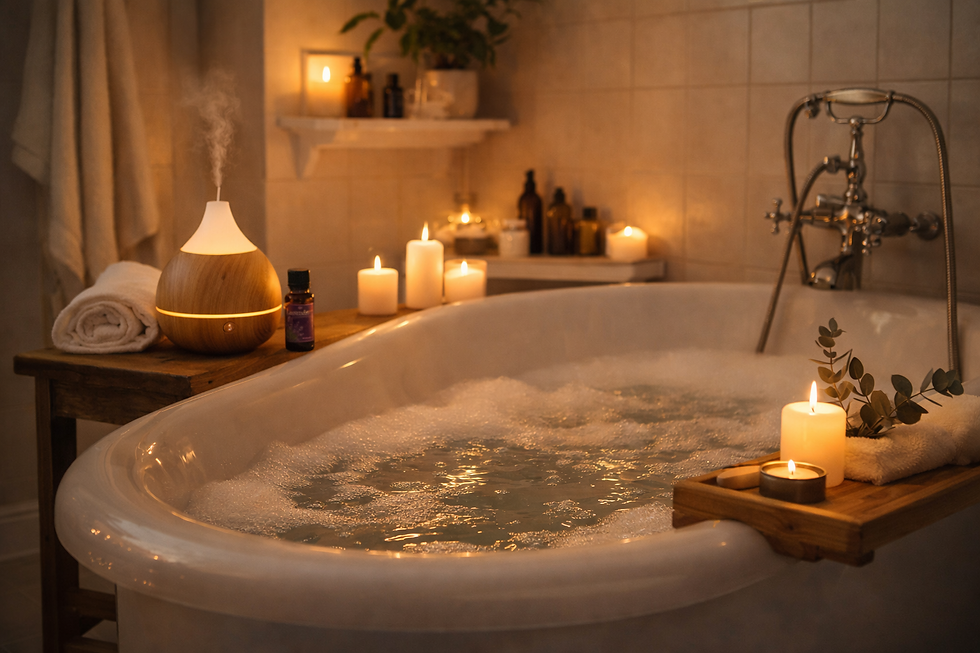
Diffusers allow calming scent input to be delivered slowly and consistently.
This makes scent one of the fastest ways to influence nervous system state.
Helpful uses:
-
Sleep routines
-
Evening wind-down habits
-
Work-from-home stress regulation
-
Creating safe-feeling environments
Examples of calming oils:
Consistency matters more than intensity.
Low-level, steady calming signals support nervous system stability.
Why it matters:
Gentle scent input helps shift the nervous system out of fight-or-flight and into rest-and-repair.
Essential Oils
Goal: Nervous system tone, stress response, emotional regulation
Scent communicates directly with the limbic system — the part of the brain involved in emotion, memory, and stress signaling.
This makes scent one of the fastest ways to influence nervous system state.
Helpful uses:
-
Reducing stress and anxiety
-
Supporting sleep and relaxation
-
Creating grounding rituals
-
Supporting mood regulation
Examples of calming oils:
-
Lavender
-
Frankincense
-
Bergamot
-
Roman chamomile
-
Cedarwood
-
Ylang Ylang
-
Vetiver
Why it matters:
Gentle scent input helps shift the nervous system out of fight-or-flight and into rest-and-repair.
Light-Based Tools
Focus: Circadian rhythm, nervous system signaling
Light strongly influences stress hormones and sleep timing.
Helpful uses:
-
Warm-light lamps
-
Sunset simulation lights
-
Blue-light-blocking glasses
-
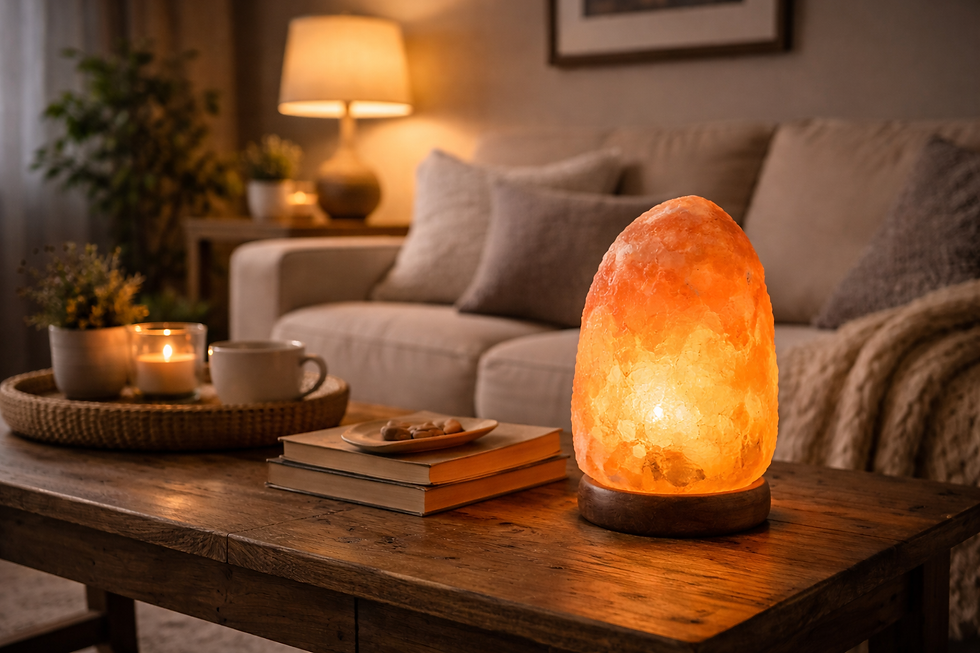
Candles or salt lamps
Why it matters:
Evening light cues tell the body it’s time to downshift into rest.
Habit-Based Tools
Focus: Emotional safety, nervous system predictability
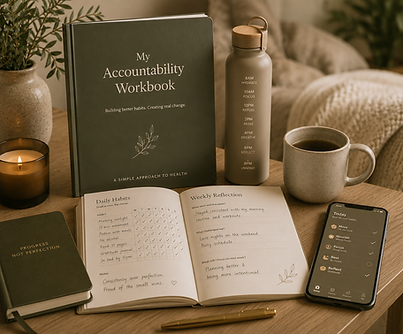
Habit creates rhythm and reliability.
-
Journaling
-
Scent routines
-
Evening routines
-
Self-care routines
Why it matters:
Evening light cues tell the body it’s time to downshift into rest.
Warmth-Based Tools
Focus: Parasympathetic activation, muscle relaxation
Warmth is one of the strongest biological safety signals.
Examples:
-
Heating pads
-
Warm blankets
-
Hot water bottles
-
Warm baths or foot soaks
Why it matters:
Warmth increases vagal tone and reduces muscular tension and stress signaling.
Sensory Comfort Tools
Focus: Emotional regulation, nervous system grounding
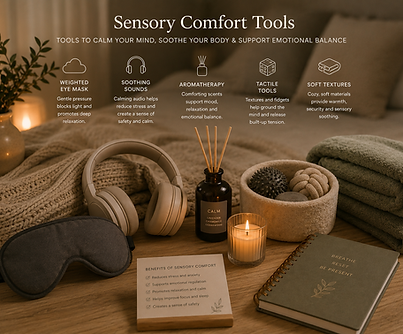
These tools soothe the senses and reduce overstimulation.
Examples:
-
Weighted blankets
-
Soft throws
-
Eye masks
-
Comfortable pillows
-
Noise-canceling headphones
-
Soft lighting
Why it matters:
Reducing sensory overload lowers cortisol output and stress activation.
Breathe & Regulation tools
Focus: Stress response modulation, heart rate variability
These tools help anchor slow, rhythmic breathing.
Examples:
-
Breathing trainers
-
Guided breathwork apps
-
Metronome timers
-
Visual breathing tools
Why it matters:
Slow breathing directly signals safety to the brainstem and vagus nerve.