top of page

Resources

A supportive library of tools, education, and references you can return to as needed.


These resources are here to support your learning — not replace listening to your body or overwhelm you with information.

Prescription for nutritional healing
Foundations of Chinese Medicine
Vitamins Minerals Book
Your Body's Many Cries for  water
Iridology Fusion
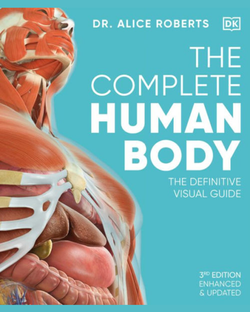
The Complete Human Body

Section 1: Educational Resources

Simple explanations and foundational education to help you understand how the body functions—and why daily habits matter.

Blood Sugar & Metabolic Health

Blood Sugar

Blood sugar refers to the amount of glucose circulating in your bloodstream at any given moment.


Glucose is a simple sugar and the body’s preferred (though not only) fuel source because it is the quickest and most efficient form of energy for cells.

Sources of Glucose

Sugars

-Table Sugar

-Honey

-Syrups

-Fruit Sugars

Carbohydrates

-Grains

-Breads

-Pastas

-Rice 

-Beans

-Starchy Vegetables (such as potatoes)

Important Note

Your body does not distinguish morally between "sugar" and "carbohydrates".

Instead, it responds to

-How quickly glucose enters the bloodstream

-How much glucose enters at once 

-How effectively insulin can move glucose into cells

How Blood Sugar is Regulated

After you eat, glucose enters the blood stream. The pancreas releases the hormone insulin to help move glucose from the blood into the cells, where it can be used for:

-Energy

-Repair

-Daily Cellular Function

Blood sugar stability affects energy, mood, hormones, inflammation, and long-term metabolic health. When blood sugar is consistently stressed, the body constantly compensates — often quietly — long before symptoms appear.

Nervous System Regulation

Nervous System

Nervous system regulation refers to the body’s ability to shift between states of activation and rest in response to daily life.

Your nervous system is constantly scanning your environment for safety or threat and adjusting heart rate, breathing, digestion, hormones, and energy accordingly.

When this system can move fluidly between states, the body stays adaptable, resilient, and supported.

The Two Primary Nervous System States

Fight-or-Flight (Sympathetic State)

This state prepares the body to respond to stress.

It increases:

-Heart rate

-Blood sugar release

-Muscle tension

-Alertness

This response is protective and necessary in short bursts.

&

Rest-and-Repair (Parasympathetic State)

This state allows the body to heal and restore.

It supports:

-Digestion and elimination

-Hormone balance

-Immune repair

-Cellular regeneration

This is where long-term health maintenance happens.

Important Note:

The goal is not to eliminate stress or remain calm at all times.


The body is designed to experience activation.

What matters is whether the nervous system can return to rest after stress has passed.

When Regulation Is Disrupted

When stress is frequent, unresolved, or prolonged, the nervous system can remain in a state of chronic activation.

Over time, this can contribute to:

-Digestive disruption

-Blood sugar instability

-Sleep difficulties

-Hormonal imbalance

-Persistent fatigue or anxiety

This is a biological response to repeated input.

Nervous System Regulation Is Supported By

Nervous system regulation is influenced by daily signals, including:

-Consistent meals and blood sugar stability

-Restorative sleep and circadian rhythm alignment

-Gentle, regular movement

-Breath, light exposure, and physical environment

-Emotional safety and reduced internal pressure

Small, repeated signals of safety allow the body to shift out of survival mode and back into repair.

When Regulation Is Supported

When the nervous system can move smoothly between activation and rest:

-Stress becomes more manageable

-Energy is more stable

-Digestion improves

-Sleep deepens

-The body can respond instead of reacting

This creates the internal conditions needed for healing to occur.

Why This Matters

Nervous system regulation is not a mindset practice — it is a biological foundation.

Without it, even well-intentioned habits can feel exhausting or unsustainable.

With it, the body gains the capacity to adapt, repair, and respond.

Sleep & Circadian Rhythms

Sleep & Circadian rhythm refers to the body’s internal timing system that regulates when we feel awake, hungry, focused, and ready for sleep.

This internal clock coordinates hormones, digestion, metabolism, immune activity, and cellular repair across a 24-hour cycle.

Sleep is not just rest — it is an active biological process guided by rhythm and timing.

What is Circadian Rhythm?


Circadian rhythm is the body’s natural daily cycle, influenced primarily by light and darkness.

It helps determine:

-When we feel alert or sleepy

-When digestion is strongest

-When hormones are released

-When repair and detox processes occur

The body expects certain activities — eating, moving, resting — to happen at roughly predictable times.

Important Note:

Sleep quantity matters, but sleep timing matters too.

You can get “enough” hours of sleep and still feel unrefreshed if sleep is misaligned with the body’s internal clock.

Circadian disruption can occur even in people who appear disciplined or consistent.

What Happens When Sleep & Rhythm Are Disrupted

When circadian rhythm is regularly disrupted, the body compensates.

Over time, this can contribute to:

-Difficulty falling or staying asleep

-Morning fatigue or brain fog

-Blood sugar instability

-Hormonal imbalance

-Increased inflammation and stress signaling

These effects are not failures of willpower — they are biological responses to inconsistent signals.

How Sleep & Circadian Rhythm Are Supported

Circadian rhythm is supported by daily environmental and behavioral cues, including:

-Morning light exposure

-Consistent meal timing

-Earlier, predictable bedtimes

-Reduced stimulation at night

-Gentle evening routines that signal safety and rest

Small adjustments made consistently can help retrain the body’s internal clock over time.

When Sleep & Rhythm Are Supported

When sleep aligns with circadian rhythm:

-Energy becomes more stable

-Hormones regulate more smoothly

-Digestion and metabolism improve

-Immune repair is more effective

-The body feels less reactive and more resilient

Sleep becomes restorative rather than fragile.

Why This Matters

Sleep is one of the body’s primary repair mechanisms.

Without adequate, well-timed sleep, other lifestyle habits often feel harder to sustain and less effective.

When sleep and circadian rhythm are supported, the body gains the capacity to regulate, restore, and respond to daily life with greater ease.

Digestion, Elimination & Detox Pathways

Digestion, elimination, and detox pathways refer to how the body breaks down food, absorbs nutrients, and removes what it no longer needs — every day, naturally.

These processes are continuous and foundational. They influence energy, hormones, immune function, and nervous system balance.

Detox is not a special event — it is a daily biological process.

What Digestion Actually Includes
 

Digestion is more than the stomach.

It involves:

-Breaking food down into usable nutrients

-Absorbing those nutrients through the intestinal lining

-Communicating with the nervous system and immune system

-Signaling satiety, safety, and energy availability

Efficient digestion supports nourishment without burdening the body.

Elimination & Detox Pathways

Elimination is how the body removes waste and byproducts of metabolism.

Primary detox and elimination pathways include:

-The liver (processing and packaging waste)

-The digestive tract (bowel movements)

-The kidneys (urine)

-The lungs (carbon dioxide)

-The skin (sweat)

These systems work together to keep internal environments balanced and functional.

Important Note

Detox does not require extreme cleanses, restriction, or force.

When the body is supported with adequate hydration, nourishment, movement, and rest, detox pathways function as designed.

Overloading or bypassing these systems can create additional stress rather than relief.

What Happens When These Pathways Are Disrupted

When digestion or elimination is impaired, the body adapts.

Over time, this can contribute to:

-Bloating, constipation, or irregular bowel movements

-Fatigue after eating

-Skin changes or headaches

-Hormonal congestion

-Increased inflammatory signaling

These symptoms are signals — not failures — that the body may need additional support.

How Digestion & Detox Are Supported

These pathways are supported through daily, consistent inputs, including:

-Adequate hydration and minerals

-Fiber-rich, whole foods

-Regular meal timing

-Gentle movement to support circulation

-Rest and nervous system regulation

Supporting digestion and elimination is often about removing strain, not adding complexity.

When These Systems Are Supported

When digestion and detox pathways function well:

-Energy feels steadier

-Meals feel nourishing rather than draining

-Hormones move and clear more efficiently

-Inflammation is easier to regulate

-The body feels lighter and more responsive

The body can focus on repair rather than compensation.

Why This Matters

Digestion and elimination create the internal environment in which all other systems operate.

When waste is cleared effectively and nutrients are absorbed efficiently, the body gains the space it needs to regulate, adapt, and heal.

These processes are not optional — they are foundational.

Hormones Across Life Stages

Hormones are chemical messengers that help coordinate communication between the body’s systems.

They influence energy, mood, metabolism, reproduction, sleep, and stress response. Hormones respond continuously to internal and external conditions — including nutrition, sleep, stress, movement, and environment.

Hormonal patterns naturally change across life stages. These changes are not problems to fix, but signals to adapt support.

What Hormones Do
 

Hormones act as messengers that:

-Relay information between organs and systems

-Help regulate growth, repair, and reproduction

-Coordinate metabolism and energy use

-Respond to stress and recovery

Hormones do not operate in isolation. They are part of an interconnected network influenced by daily biological inputs.

Hormonal Shifts Across Life Stages

Hormonal needs and patterns change during:

-Puberty

-Reproductive years

-Perimenopause

-Menopause

-Aging

These shifts affect how the body responds to food, stress, sleep, and recovery. What once felt supportive may need to be adjusted as the body changes.

Important Note

Hormonal changes are not failures of the body.

They are adaptive responses to age, environment, and accumulated stressors.

Symptoms often arise not because hormones are “broken,” but because the body’s support systems are no longer aligned with current needs.

What Happens When Hormonal Support Is Lacking

When hormonal communication is strained, the body compensates.

Over time, this can contribute to:

-Fatigue or low motivation

-Mood changes or irritability

-Sleep disruption

-Changes in weight or appetite

-Menstrual irregularities or transition symptoms

These signals are information — they point toward areas that may benefit from additional support.

How Hormones Are Supported

Hormonal balance is supported indirectly through foundational lifestyle habits, including:

-Stable blood sugar and nourishment

-Adequate sleep and circadian rhythm alignment

-Nervous system regulation

-Gentle, consistent movement

-Effective digestion and elimination

Supporting hormones is less about targeting individual levels and more about supporting the systems hormones rely on.

When Hormones Are Supported

When hormonal signaling is supported:

-Energy feels more predictable

-Mood stabilizes

-Sleep becomes more restorative

-Cycles and transitions feel more manageable

-The body adapts more smoothly to change

Hormonal shifts become easier to navigate rather than something to battle.

Why This Matters

Hormones reflect how the body is responding to life over time.

By adjusting lifestyle support as the body changes, we work with biology rather than against it — creating conditions for resilience across every stage of life.

Section 2: Tools & Practical Guides

Practical tools you can use to support daily habits, self-awareness, and consistency — without pressure or perfection.

These resources are designed to help you notice, respond, and adjust as your body changes over time.

Daily Habit Tracking Templates

Simple tracking tools that help you observe patterns rather than chase outcomes.

These templates support awareness around:

-Energy levels

-Sleep and wake timing

-Hydration and meals

-Digestion and elimination

-Movement and rest

The goal is learning how your body responds to daily inputs.

Primary format: Downloadable written tools
Optional support: Short orientation video


What this tool is for
These templates are designed to help you notice patterns, build consistency, and support daily habits — without pressure or perfection.

They’re meant to be used as references you can return to, print, screenshot, or glance at as needed.

Optional video support


A brief video is available if you want reassurance on how to use the tracker without overthinking it.

This is not instruction — just orientation and encouragement.

The tool does the work. The video simply helps you feel steady using it.

Accountability Workbook References

Guided reflections and habit prompts drawn from the Health & Healing Lifestyle Plan Accountability Workbook.

These references help you:

-Translate education into small daily actions

-Build habits that fit real life

-Stay consistent without overwhelm

-Adjust gently as your body responds

This is where understanding becomes practice.

This workbook is not a checklist or a measure of success.
It’s a tool for noticing patterns, signals, and rhythms in your body over time.


You are not meant to do this perfectly or all at once, so try not to put that kind of pressure on yourself.

As you use the workbook and become more familiar with your patterns, awareness naturally deepens. Over time, this can bring you closer to your subconscious—the place where habits, reactions, and true patterns live.
This process is not about judgment.
It’s about clarity.


Because meaningful change can only happen when we’re able to see what’s actually there—not what we think should be there.
When we notice without judgment, we create the space to make changes that genuinely support us.
 
Please use your workbook and move through it at your own pace.
I’ll see you inside the program.

Workbook Walk-Through

The Health & Healing Lifestyle Plan Accountability Workbook is designed to support awareness, not perfection.

Rather than telling you what to do, the workbook helps you notice patterns, responses, and rhythms in your body over time — so changes can come from understanding instead of pressure.

Inside the workbook, you’ll find:

-Introduction & Personal Focus
Identify your top three health concerns and clarify what support means for you right now.

-The Healing Mindset & Phases of Healing
Learn how healing unfolds in stages and why rushing or forcing change often works against the body.

-Phase-by-Phase Guidance
A deeper look at each healing phase and how they relate to stress, recovery, and adaptation.

-Nervous System Support
An explanation of how these phases support regulation, safety, and repair.

-Accountability Trackers
Gentle tracking tools for daily habits, designed to build awareness rather than judgment.

-Everyday Practices That Support Healing
Guidance on wholesome hobbies, mouth hygiene, and daily behaviors that influence long-term health.

-Brain Health & Cellular Turnover
Context for how habits support the brain and why healing takes time at the cellular level.


Start where it feels relevant. Skip what doesn’t.

The workbook is a support tool — not a test.

How This Workbook Is Meant to Be Used

Video Channel Name

Video Channel Name

Video Channel Name
Video Title

Video Title

00:23
Video Title

Video Title

00:32
Video Title

Video Title

00:29

Meal-Building Frameworks

Flexible, non-restrictive frameworks for building meals that support:

-Blood sugar stability

-Digestion and satiety

-Hormone Balance 

-Energy across the day

Rather than restrictions or rules, this framework focuses on how to build a plate in a way that works with your body.

Meals are built around whole, single-ingredient foods, using herbs and spices rather than processed seasoning blends.


Each plate generally includes:

-½ fiber-rich vegetables
(non-starchy, colorful, varied)

-Healthy fats
(to support satiety, hormones, and absorption)

-Clean protein
(animal or plant, depending on individual needs & preference)

-A small amount of starch
(adjusted to activity level, timing, and individual needs)

-Optional fruit
(based on energy demands and digestion)

This balance helps slow glucose release, reduce digestive burden, and support cellular energy.

The core Framework

Why This Matters

How meals are built influences:

-Blood sugar stability

-Digestive comfort

-Energy levels

-Hormonal signaling

Small, consistent structure often matters more than perfection.

What This Framework Is / Is Not

-Not a meal plan

-Not restrictive

-Not moralized

Want to Go Deeper?

Inside the Health & Healing Lifestyle Plan, this framework is expanded through:

-Visual plate examples

-Meal Prepping

-Cooking demonstrations

-Timing guidance

-Adjustments based on energy, digestion, and stress

This is where understanding becomes practical.

This framework is intentionally simple.
Inside the program, it’s applied visually, practically, and in real-life contexts.

Gentle Movement & Mobility Ideas

Accessible practices that support the shift from chronic stress into rest, repair, and regulation.

These tools may include:

-Breathing practices

Simple techniques that help calm stress signaling and support regulation.

-Grounding techniques

Practices that help the body feel oriented, supported, and present.

-Sensory regulation

Using sound, touch, temperature, or environment to reduce overload.

-Rhythm and routine support

Gentle structure that helps the body anticipate rest, movement, and recovery.

The focus is creating internal safety so healing processes can function naturally.

Why This Matters

When the body feels safe, healing processes are better able to function.

While vigorous exercise has its place, the focus here is not intensity —
it’s creating the internal conditions that support repair and regulation naturally.

Nervous System Regulation Practices

Simple, accessible practices that support circulation, metabolism, and joint health — without intensity, performance, or pressure.


These practices are designed to help the body move out of prolonged stress and into states that support regulation and repair.

These Practices Focus On:

-Daily movement rather than exercise programs

Gentle, consistent movement integrated into everyday life.

-Mobility and circulation

Supporting joint health, blood flow, and lymphatic movement.

-Reducing stiffness and sedentary strain

Counteracting long periods of sitting or repetitive work.

-Supporting the body during long workdays

Practical ways to move and reset without disrupting your day.

Movement is treated as nourishment, not punishment.

These are meant to support you, so return to them as your body, life, and needs change.

Section 3: Recommended Testing & Labs 

Recommended Testing & Labs
 

Testing can offer useful insight into how the body is functioning at a given moment in time. It’s one piece of the picture, not the whole story.

Labs do not replace lived experience, symptoms, or daily patterns — but when used thoughtfully, they can help add context and guide supportive decisions.

-Blood sugar & metabolic markers

To understand glucose regulation, insulin signaling, and overall metabolic stress.

-Thyroid function panels

To assess how thyroid hormones may be influencing energy, temperature regulation, and metabolism.

-Inflammation markers

To observe signs of chronic stress or immune activation in the body.

-Nutrient status

To identify potential deficiencies or imbalances that may affect energy, mood, and repair.

Blood sugar & metabolic markers

Core Blood Sugar Markers

(Common Labs That May Be Explored)

-Fasting Blood Glucose
Reflects baseline blood sugar levels after an overnight fast.

-Hemoglobin A1C (HbA1c)
Provides an average of blood sugar levels over the past 2–3 months.

-Fasting Insulin
Helps assess how much insulin the body is producing to manage blood sugar.

-HOMA-IR (Calculated Value)
A calculation using fasting glucose and fasting insulin to estimate insulin resistance.

Metabolic & Lipid Markers

-Triglycerides
A type of fat in the blood that can reflect metabolic stress and glucose handling.

-HDL (“Good”) Cholesterol
Often associated with metabolic resilience and insulin sensitivity.

-Triglyceride-to-HDL Ratio
A useful pattern marker related to insulin resistance.

Optional Contextual Markers

-Comprehensive Metabolic Panel (CMP)
Includes glucose along with liver and kidney markers that support metabolic processing.

-Uric Acid
Sometimes used as an additional marker of metabolic strain.

Important Perspective 

These markers do not diagnose health or disease on their own, instead they help provide context around how the body is managing glucose, energy, and metabolic stress over time. No single marker tells the whole story — patterns matter more than isolated numbers.

They offer snapshots that can help:

-Identify trends

-Clarify metabolic stress

-Inform lifestyle support

Results should always be interpreted alongside symptoms, daily habits, and lived experience. Metabolic health is not defined by a single number.
It reflects how consistently the body is supported over time.

Thyroid Function Panels

(Common Labs That May Be Explored)

Thyroid markers can help provide insight into how thyroid hormones may be influencing energy, temperature regulation, metabolism, mood, and overall vitality.

Because the thyroid works closely with the nervous system, adrenal signaling, digestion, and nutrient status, no single marker should be viewed in isolation.

Core Thyroid Markers

-TSH (Thyroid Stimulating Hormone)
Reflects signaling between the brain and thyroid gland.

-Free T4
Represents the primary hormone produced by the thyroid.

-Free T3
The active form of thyroid hormone used by cells for energy and metabolism.

Additional Contextual Markers

-Reverse T3 (rT3)
Can offer insight into how stress, illness, or under-fueling may be affecting thyroid hormone conversion.

-Thyroid Antibodies (TPOAb, TgAb)
May help identify immune involvement affecting the thyroid.

Important Perspective 

These markers do not diagnose health or disease on their own, instead they help provide context around how the body is managing glucose, energy, and metabolic stress over time. No single marker tells the whole story — patterns matter more than isolated numbers.

They offer snapshots that can help:

-Identify trends

-Clarify metabolic stress

-Inform lifestyle support

Results should always be interpreted alongside symptoms, daily habits, and lived experience. Metabolic health is not defined by a single number.
It reflects how consistently the body is supported over time.

Nutrient-Related Markers That Often Matter

Thyroid function is influenced by nutrient availability. Context may include:

-Iron / Ferritin

-Selenium

-Zinc

-Iodine (when appropriate)

Low or imbalanced nutrients can affect thyroid signaling even when hormone levels appear “normal.”

Important Perspective 

Thyroid labs do not measure effort, discipline, or willpower.

They provide data points that can help clarify how the body is adapting to stress, nourishment, sleep, and overall metabolic demand.

Thyroid symptoms often reflect system-wide support needs, not just the thyroid gland itself.

Why This Matters

The thyroid plays a central role in how the body:

-Produces energy

-Regulates temperature

-Responds to stress

-Maintains metabolic rhythm

Understanding thyroid patterns can help guide lifestyle support without reducing health to numbers alone, because thyroid health is rarely about a single lab value.


It reflects how well the body is supported as a whole.

Inflammation Markers

(Common Labs That May Be Explored)

Inflammation markers can help offer insight into chronic stress, immune activation, and overall physiological load in the body.

Inflammation itself is not the problem — it is a normal and necessary response.


Concern arises when inflammatory signaling becomes persistent, leaving the body in a prolonged state of activation without adequate recovery.

Core Inflammation Markers

-C-Reactive Protein (CRP or hs-CRP)
A general marker that reflects systemic inflammation and stress in the body.

-Erythrocyte Sedimentation Rate (ESR)
Indicates the presence of ongoing inflammatory activity over time.

Optional Contextual Markers

-Homocysteine
May reflect inflammation, nutrient status, and cardiovascular stress.

-Fibrinogen
Sometimes used to assess inflammatory and clotting patterns.

Important Perspective 

Inflammation markers do not identify a single cause.

They reflect how long the body has been under demand, and whether repair and recovery are keeping pace with stressors.

Persistent inflammation often relates to:

-Chronic stress or poor sleep

-Blood sugar instability

-Digestive or immune strain

-Nutrient depletion

-Unresolved environmental or lifestyle stressors

Why This Matters

When inflammation remains elevated over time, energy is diverted toward defense rather than repair.

Understanding inflammatory patterns can help guide lifestyle support that prioritizes recovery, regulation, and internal safety, rather than simply suppressing symptoms.

Inflammation is information.
It tells a story about how supported — or unsupported — the body has been.

Nutrient Status

(Common Labs That May Be Explored)

Nutrient markers can help provide insight into whether the body has the raw materials it needs for energy production, mood regulation, immune support, and tissue repair.

Nutrients are not about optimization or perfection — they are about availability.
Even small imbalances can affect how efficiently the body adapts to stress and recovers over time.

Core Nutrient Markers

-Iron Panel (Iron, Ferritin, Transferrin)
Supports oxygen delivery, energy production, and thyroid function.

-B Complex Vitamins (B1, B2, B3, B5, B6, B7, B9, B12)
Work together to support energy production, nervous system function, stress response, detox pathways, and cellular repair.

Rather than functioning independently, B vitamins act as a team — helping convert food into usable energy, support neurotransmitter balance, and assist the body during periods of increased demand.

Imbalances can affect:

-Energy and stamina

-Mood and stress tolerance

-Cognitive clarity

-Hormone and detox pathways

This is why focusing on B12 alone may miss the broader picture of metabolic and nervous system support.

-Folate
Important for cell turnover, detox pathways, and neurological support.

-Vitamin D
Influences immune regulation, mood, inflammation, and bone health.

Mineral & Electrolyte Context

-Magnesium
Supports nervous system regulation, muscle relaxation, sleep quality, and energy production.

-Zinc
Involved in immune function, hormone signaling, and tissue repair.

-Sodium & Potassium (as part of a CMP)
Reflect hydration status and cellular communication.

Important Perspective 

Low or imbalanced nutrients do not always indicate poor intake.

They can reflect:

-Increased demand due to stress or illness

-Absorption challenges related to digestion

-Ongoing inflammatory or metabolic strain

-Sleep disruption or chronic under-recovery

Nutrient status is dynamic — it changes as the body’s environment changes.

Why This Matters

When nutrient availability is insufficient, the body prioritizes survival over repair.

They are required to run systems — and when they are lacking, systems adapt by overcompensate or slowing down.

Bottom line:

Nutrients are requirements, not extras.
Systems respond accordingly.

Section 4: Books, Voices, and References 

Additional Reading & Listening resources.

Voices & resources that align with a lifestyle-based, biology-rooted approach to healing. 

Books

(Foundational Reading)

The Complete Human Body — Dr. Alice Roberts


A clear, visual introduction to human anatomy and physiology that helps make sense of how the body is designed to function — with illustrations that support understanding rather than overwhelm.

Prescription for Nutritional Healing — Phyllis A. Balch, CNC


A comprehensive reference that connects nutrients, herbs, and lifestyle factors to whole-body support.

Vitamins, Minerals, and Herbs — Pamela Wartian Smith, MD, MPH


A practical resource exploring how nutrients and botanicals support physiology, repair, and resilience.

A–Z Guide to Drug–Herb–Vitamin Interactions — Alan R. Gaby, MD & the Healthnotes Medical Team


A reference for understanding how nutrients, herbs, and medications can interact within the body.

The Foundations of Chinese Medicine — Giovanni Maciocia


A foundational text that offers a systems-based perspective on health, balance, and internal regulation.

Your Body’s Many Cries for Water — F. Batmanghelidj, MD


Explores hydration as a fundamental biological need influencing energy, metabolism, and repair.

The Healing Power of the Sun — Richard Hobday, PhD


Examines the role of sunlight as a biological signal affecting hormones, immune function, and circadian rhythm.

Iridology Fusion — Kathy K. Norris, D.Ir., C.C.I.I.


An integrative look at iridology as an observational tool for understanding genetic tendencies and current health patterns.

Articles

(Blood Sugar & Metabolic Health)

Metabolic Syndrome Overview— National Library of Medicine (NIH)


Outlines how common metabolic patterns develop over time and why lifestyle support plays a central role in prevention and reversal.

Metabolic Syndrome - PubMed

(Circadian Rhythm & Health)

Sleep, Circadian Rhythms & Health— National Library of Medicine (NIH)


Explores how human biology is organized around a 24-hour internal clock and why ignoring sleep and circadian rhythms places strain on nearly every system — from hormones and metabolism to mental health and repair.

Sleep, circadian rhythms and health - PMC

(Gut Microbiome & Immune Health)

The Interplay between the Gut Microbiome & the Immune System— National Library of Medicine (NIH)


Explains how the gut microbiome works closely with the immune system throughout life, and how nutrition helps maintain balance, resilience, and appropriate immune responses — both locally in the gut and systemically throughout the body.

The Interplay between the Gut Microbiome and the Immune System in the Context of Infectious Diseases throughout Life and the Role of Nutrition in Optimizing Treatment Strategies - PubMed

(Micronutrients & System Support)

Nutrition: Micronutrient Intake, Imbalances, and Interventions— National Library of Medicine (NIH)


Explores how vitamins and minerals support energy production, nervous system function, immune regulation, hormone balance, and cellular repair — and why both deficiencies and excesses can disrupt health. Emphasizes food-first nutrition, thoughtful supplementation, and the importance of micronutrients working together as systems rather than in isolation.

Nutrition: Micronutrient Intake, Imbalances, and Interventions - StatPearls - NCBI Bookshelf

Educational Platforms

Trusted learning platforms that offer deeper education in anatomy, physiology, nutrition, and systems-based health.

These resources are not meant to be consumed all at once but returned to as curiosity deepens.

They support understanding how the body functions as an integrated system — beyond symptoms or trends.

These platforms are referenced for education and context, not as prescriptive programs.

(Anatomy & Physiology)

Introduction to Anatomy & Physiology: Crash Course Anatomy & Physiology 


A clear, beginner-friendly overview of human anatomy and physiology, using visual explanations to support foundational understanding.

Why it’s helpful:
Understanding basic anatomy and physiology helps connect everyday symptoms to real body systems. When you know what’s where and what it does, health choices feel less confusing and less intimidating — and the body stops feeling abstract or mysterious.


Watch on YouTube:

Introduction to Anatomy & Physiology: Crash Course Anatomy & Physiology #1

(Lymphatic System & Waste Removal)

How does the lymphatic system work?


An accessible explanation of the lymphatic system — the body’s primary pathway for fluid balance, immune surveillance, and waste transport. This video helps clarify why daily movement, hydration, and breathing are essential for clearance and immune support.

Why it’s helpful:
The lymphatic system plays a critical role in immune function, fluid balance, and waste removal — yet it’s rarely discussed. This video helps explain why movement, hydration, and circulation matter for swelling, sluggishness, and immune resilience, especially when the body feels “stuck” or inflamed.

Watch on YouTube:

How Does the Lymphatic System Work?

(The Human Body)

A Journey Inside Your Body

An engaging, visual walkthrough of how the body processes food — from digestion and absorption to circulation and waste removal — using a single grape as the guide. This video helps translate complex anatomy into something understandable, showing how different systems work together moment by moment.

Why it’s helpful:
Understanding what actually happens inside the body removes fear and confusion — and makes everyday choices like eating, moving, and resting feel more meaningful.

Watch on YouTube:

A Journey Inside Your Body

(Vitamins)

Every Vitamin Your Body Needs — Explained

A short, animated overview of the essential vitamins the body relies on, using simple doodle-style illustrations to explain what each vitamin does and why it matters.


Why it’s helpful:
This video makes micronutrients feel approachable instead of overwhelming. It helps connect everyday food choices to energy, repair, immune function, and nervous system support — without turning nutrition into a checklist or a supplement protocol.

Watch on YouTube:

Every Vitamin Your Body Needs Explained

(Minerals)

Every Essential Mineral — Explained

A quick, visually engaging overview of the essential minerals the body needs for nerve signaling muscle function, hydration balance, hormone activity, and cellular repair — explained in a clear, easy-to-digest format.

Why it’s helpful:
Minerals are often overlooked, yet they’re foundational to energy, metabolism, and regulation. This video helps connect minerals to real-life functions like hydration, movement, stress response, and thyroid health — without overwhelming detail.

Watch on YouTube:

Every Essential MINERAL Explained in 8 Minutes 

Section 5: A Clarifying Note

Disclaimer
 

These resources are educational and lifestyle based. They do not provide medical diagnosis or treatment.

The intention is to support understanding, self-awareness, and informed decision-making while honoring each individual’s right to make informed decisions for themselves.

bottom of page